How to Build an Industrial Ultrapure Water System for the Electronic Semiconductor Industry: A Review of Customer Requirements from Leaders Like BOE
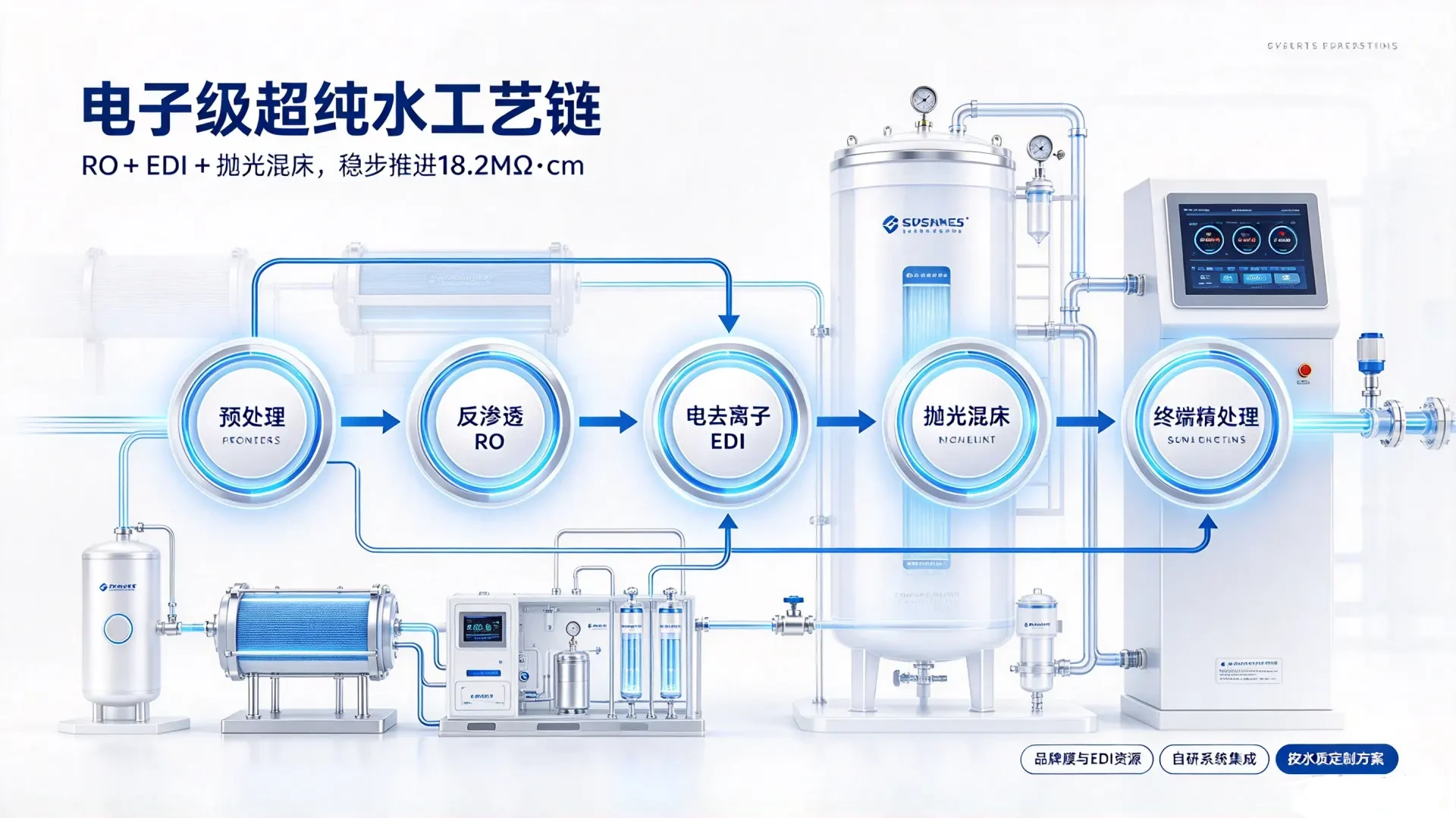
Electronic semiconductor manufacturing is highly sensitive to ultrapure water quality, requiring a stable resistivity of 18.2 MΩ·cm. This article reviews the common requirements for industrial ultrapure water systems, the implementation path of the RO+EDI+polishing mixed bed process chain, and key operation and maintenance considerations, using electronics industry clients served by Baiyuan Water Industry (e.g., BOE) as examples. It serves as a selection reference for plant engineering and procurement teams.
Introduction
In chip cleaning, LCD panel manufacturing, photovoltaics, and precision electronics production, ultra-pure water is known as the "blood of industry." Even trace amounts of ions, particles, or organic contaminants can cause yield fluctuations. Consequently, the semiconductor and electronics industries demand far higher standards for industrial and ultra-pure water systems than typical industrial water applications.
Baiyuan Water Industry (Guangdong Baiyuan Environmental Protection Technology Co., Ltd.) has accumulated extensive project experience in the industrial ultrapure water and ultra-pure water sectors, serving clients across multiple specialized fields including electronics, semiconductors, and integrated circuits. Notable clients include BOE, a representative industry leader. This article does not disclose specific parameters for any single project but instead reviews the experiences of such clients.Common Requirements and Solution PathwaysFor reference by peers and requesters.
1. Industry Context: Why Electronics Manufacturing Relies on Ultra-Pure Water
Semiconductor and precision electronics manufacturing has entered the nanometer scale for process line widths, where even microscopic contamination can significantly reduce yield. Ultra-pure water must remove virtually all impurities:
Ionic Impurities: Affects circuit performance and dielectric properties;
Particulate Matter: Causes graphic defects and short circuits;
Organic matter and microorganisms: Introduce uncontrollable reactions;
Dissolved Gases and Silica: Equally sensitive in specific processes.
The industry standard goal is to stably increase the product water resistivity to≥18.2 MΩ·cm(25°C), while strictly controlling TOC, particle count, and total bacterial count. This is one of the core design benchmarks for Baiyuan Industrial Ultrapure Water Systems.
II. Deconstructing Typical Requirements: What Customers Truly Care About
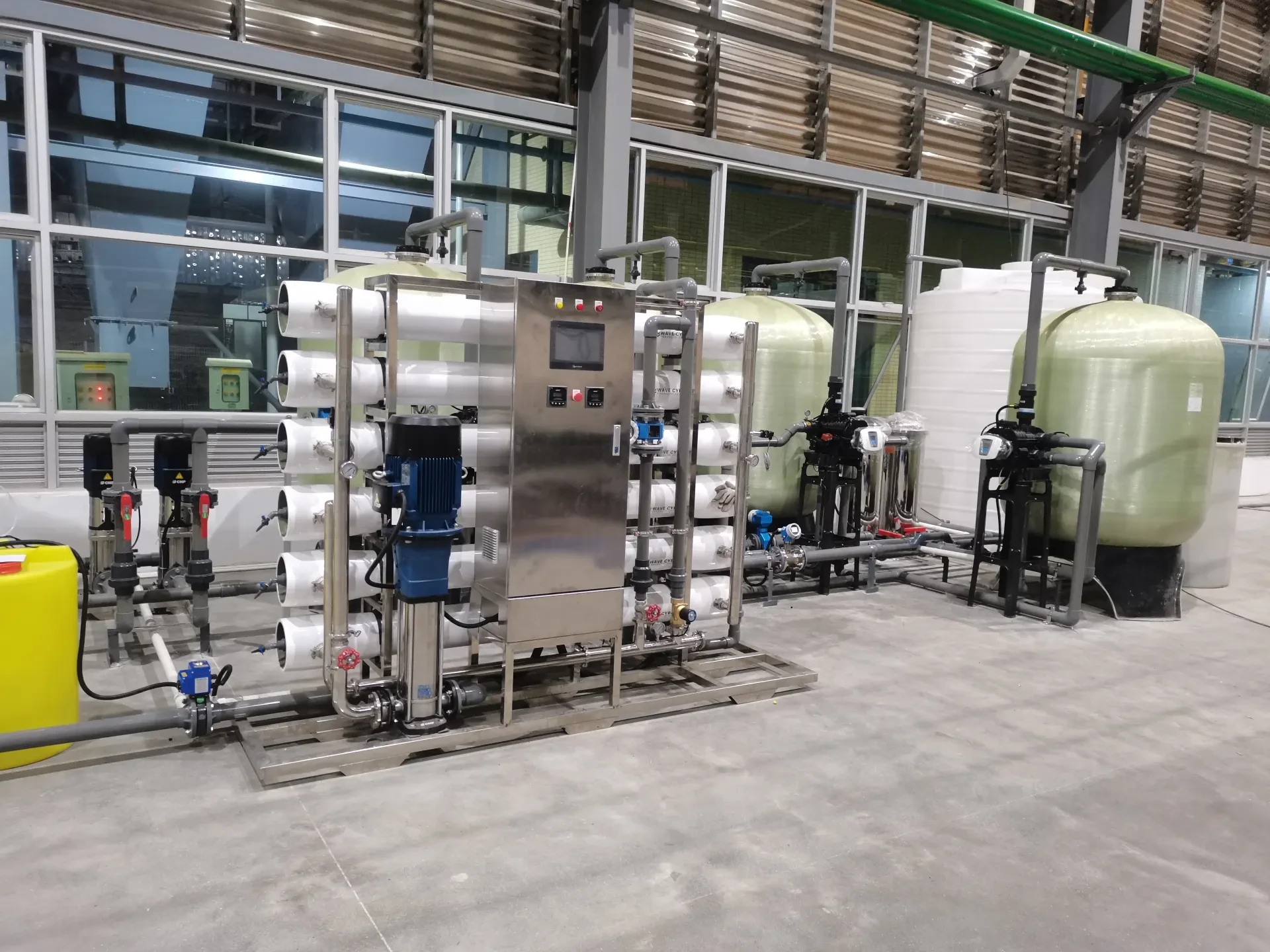
Reviewing ultrapure water projects for electronics industry clients reveals that requirements typically focus on four dimensions:
Stable water qualityNot just meeting targets at a single point, but maintaining 7×24 hours of continuous stability with traceable fluctuations.
continuous water supply capacityThe production line must not stop due to water treatment issues; the system must include redundancy and backup design.
Water Volume MatchAs production ramps up, water usage will vary in stages. The solution must预留 space for future expansion.
Compliance and Evidence ChainResistivity, conductivity, TOC, and other parameters must be continuously recorded to meet production and audit requirements.
3. Implementation Path: Deploying the RO + EDI + Polishing Mixed Bed Process Chain
For electronic-grade ultrapure water, the mainstream process chain typically combines pre-treatment + reverse osmosis (RO) + electrodeionization (EDI) + polishing mixed bed + terminal fine treatment.
Preprocessing: Multi-media filtration, activated carbon, softening, etc., to protect downstream membrane systems.
Reverse Osmosis (RO)Removes most ions and impurities; the key unit balancing energy consumption and recovery rate.
Electrodeionization (EDI): Continuous electro-regeneration requires no acid or alkali, offering an eco-friendly and stable solution—the workhorse for ultrapure water systems.
Polishing Mixed BedAs a final polishing stage, it drives resistivity to the 18.2 MΩ·cm limit while further removing trace impurities.
Terminal Fine Processing: UV sterilization, ultrafiltration (UF) for particle removal, etc., configured per point-of-use requirements.
Baiyuan's advantage lies in its dual capability: it distributes top-tier membrane and EDI brands from DuPont/Dow, Hydranautics, and Toray, while also possessing in-house expertise in system integration and automation. This enables us to tailor process combinations to your specific feed water quality and product water standards, rather than relying on generic templates.
4. Operations Essentials: Preventing Recontamination and Managing Service Life
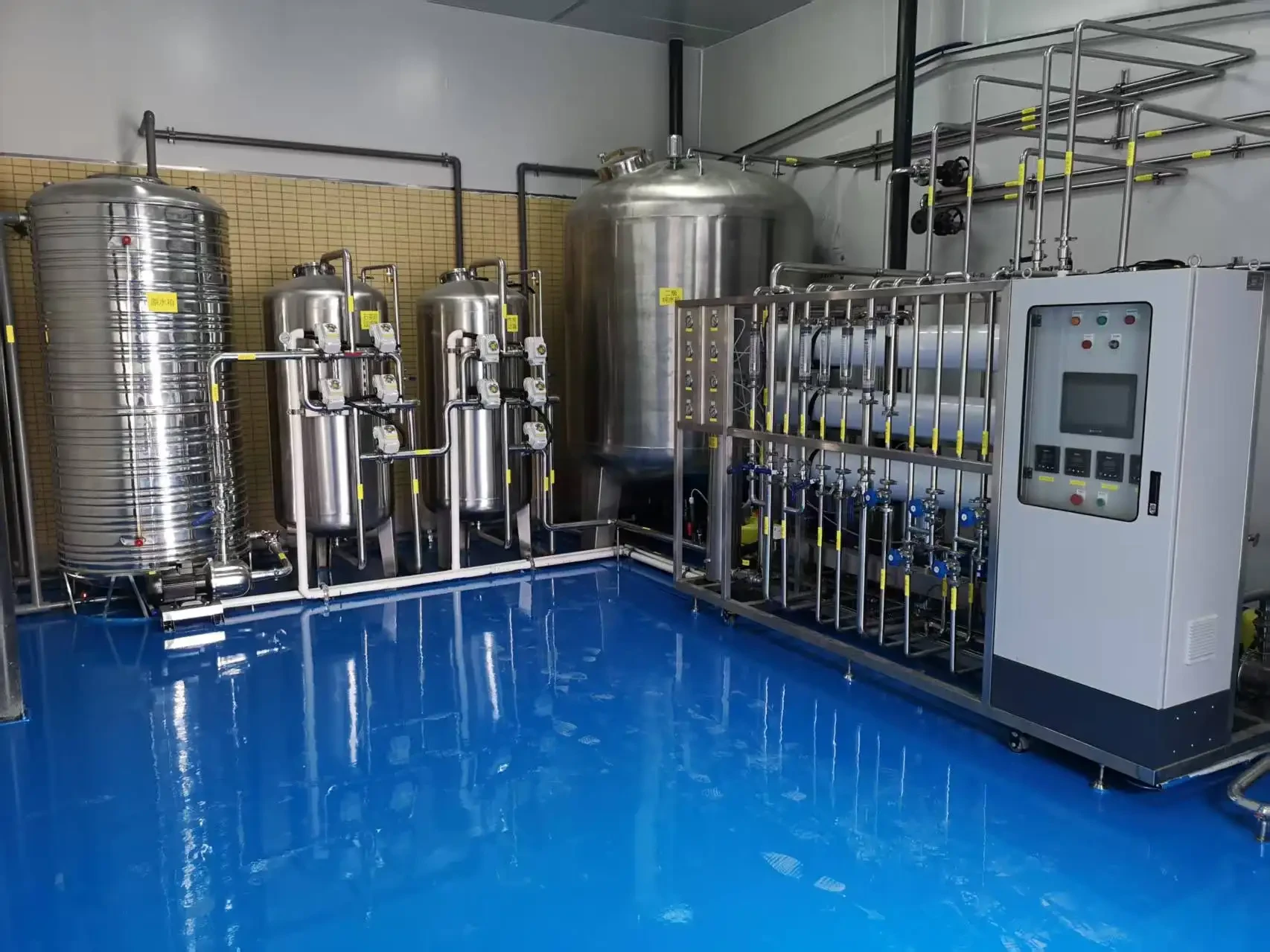
Building a ultrapure water system is just the beginning; using it effectively is the real challenge. Common operational pain points identified in post-mortems include:
Contamination of Piping and Storage TanksUltra-pure water readily re-introduces contaminants from materials and the air; select appropriate materials and control flow rate and dead volume.
Resin and Membrane Lifecycle ManagementMonitor attenuation in the EDI module and polishing mixed bed. Leverage Baiyuan's "scheduled follow-up reminder for cartridge replacement" mechanism to prevent silent water quality degradation.
Online Monitoring and AlertsReal-time upload of resistivity, TOC, and particle counts with instant anomaly alerts. Backed by Seven-Star Service: "30 minute response, 4 hour on-site."
Verification and Re-verificationRegularly verify system performance to ensure long-term compliance with production line requirements.
Q&A: Common Questions About Ultra-Pure Water in the Electronics Industry
Q1: Can EDI fully replace mixed-bed polishing?In most electronic-grade applications, EDI handles primary demineralization while polishing mixed beds perform the "final mile" of ultra-purification. Whether to omit the polishing mixed bed depends on the resistivity requirements and TOC limits at each point of use; a one-size-fits-all approach is not applicable.
Q2: Does poor feedwater quality prevent the production of ultrapure water?No. Variations in raw water affect the design complexity and cost of pretreatment and RO stages, not feasibility. The key is to base process design on actual raw water reports.
Q3: What support does Baiyuan provide after system delivery?Baiyuan delivers end-to-end services from design and installation to commissioning and long-term operations, backed by 8 international certifications, a nationwide joint-warranty network covering 1+ counties, and a seven-star service response mechanism.
Conclusion
In the electronics and semiconductor industry, industrial ultrapure water systems are fundamentally an engineering challenge centered on stability, purity, and traceability. For companies planning or upgrading their ultrapure water systems, it is more effective to first define your water quality standards, consumption patterns, and compliance requirements before relying on a professional service provider to recommend the optimal process path.
With 15 years of water treatment expertise and full-scenario service capabilities, Baiyuan Water Industry delivers practical industrial ultrapure water solutions for electronics, semiconductor, and other high-purity water demanding enterprises.
Contact Us / Call to Action
Helpline:400-101-8993
Official Website:www.beryon.cn
Business Coverage: Commercial Direct Drinking Water · Catering Purification Water · Medical Purified Water · Industrial Pure/Ultrapure Water (RO + EDI + Polishing Mixed Bed, Resistivity ≥ 18.2 MΩ·cm) · Wastewater Treatment (MBR/A/O)
Service Commitment: 30-minute response · 4-hour onsite arrival · 8-hour repair · backup device provided if overdue · nationwide coverage in 3,000+ districts
Recommended Related Cases
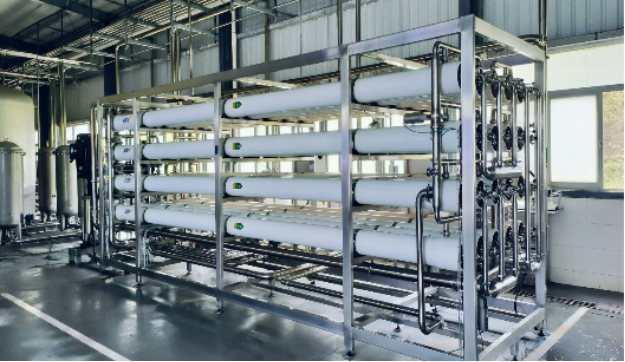
Robust Guangzhou Production Base Dual-Stage Reverse Osmosis Pure Water System Project Case | Baiyuan Water Industry
Robust Group utilizes Baiyuan Water Industry's dual-stage reverse osmosis pure water system. The produced water meets GB 19298-2014 packaging drinking water standards, with a bottled water production capacity of 2400 buckets per hour. Multi-stage pretreatment + dual-stage RO + terminal sterilization combination...
View Details
Zhuheng Hengqin Harrow Li De School Direct Drinking Water System Project Case | Baiyuan Water Industry
Baiyuan Water Industry provides a safe and healthy campus drinking water system for Zhuhai Hengqin Harrow School, covering primary, middle, and high school teaching buildings as well as dormitory areas. The system features a combination of 3M commercial drinking water purifiers and Shijifengyuan energy-saving drinking fountains, equipped with over...
View Details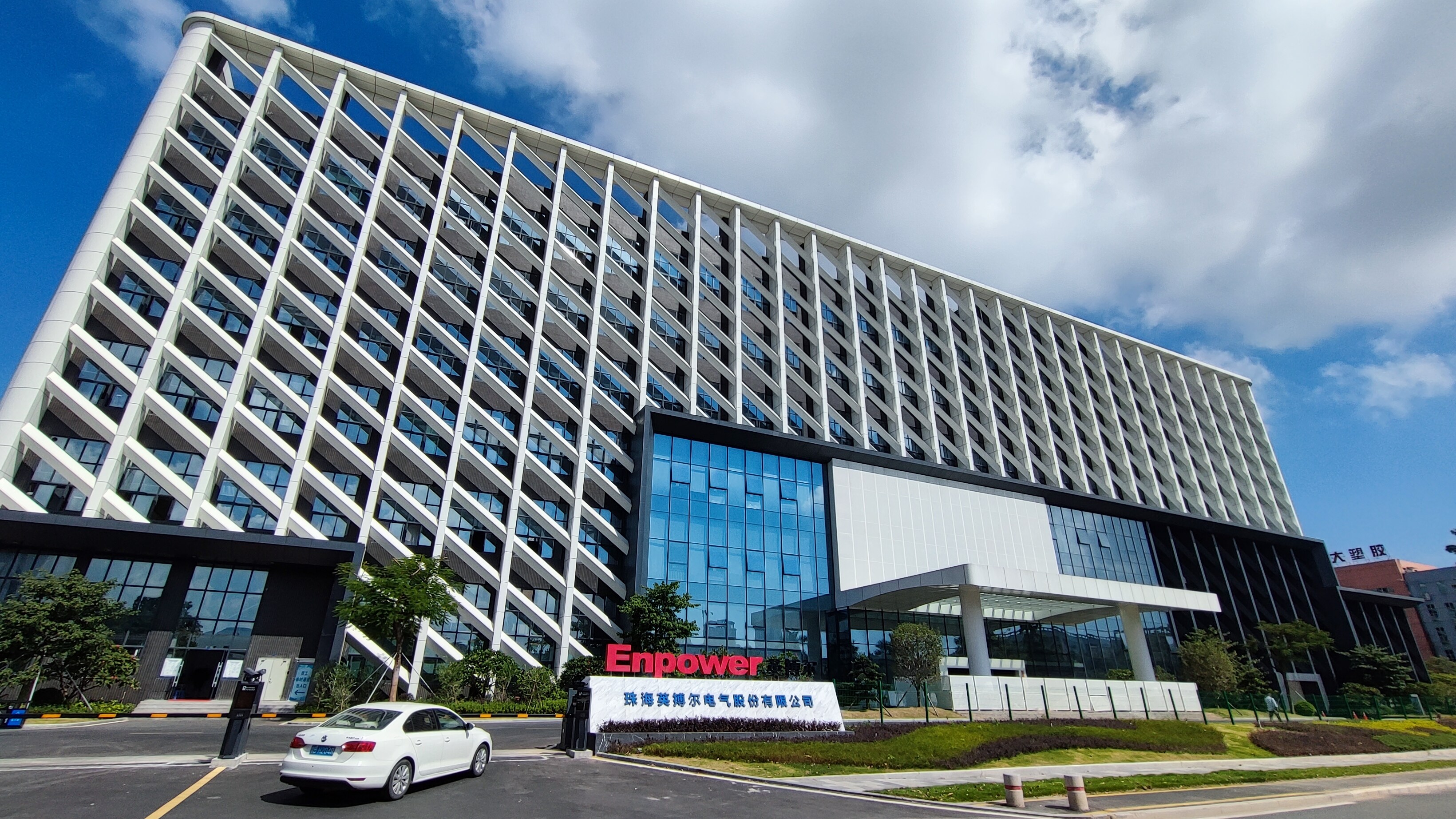
Zhuhie Inbott Electric Co., Ltd.
Secondary RO + EDI + Nuclear-Grade Resin Ultrapure Water System; produces ultrapure water for new energy equipment manufacturing (resistivity > 18.2 MΩ) and direct drinking water in the workshop.
View Details