How to Choose Integrated Wastewater Treatment Equipment: A Detailed Comparison of MBR and A/O Processes with Application Scenarios
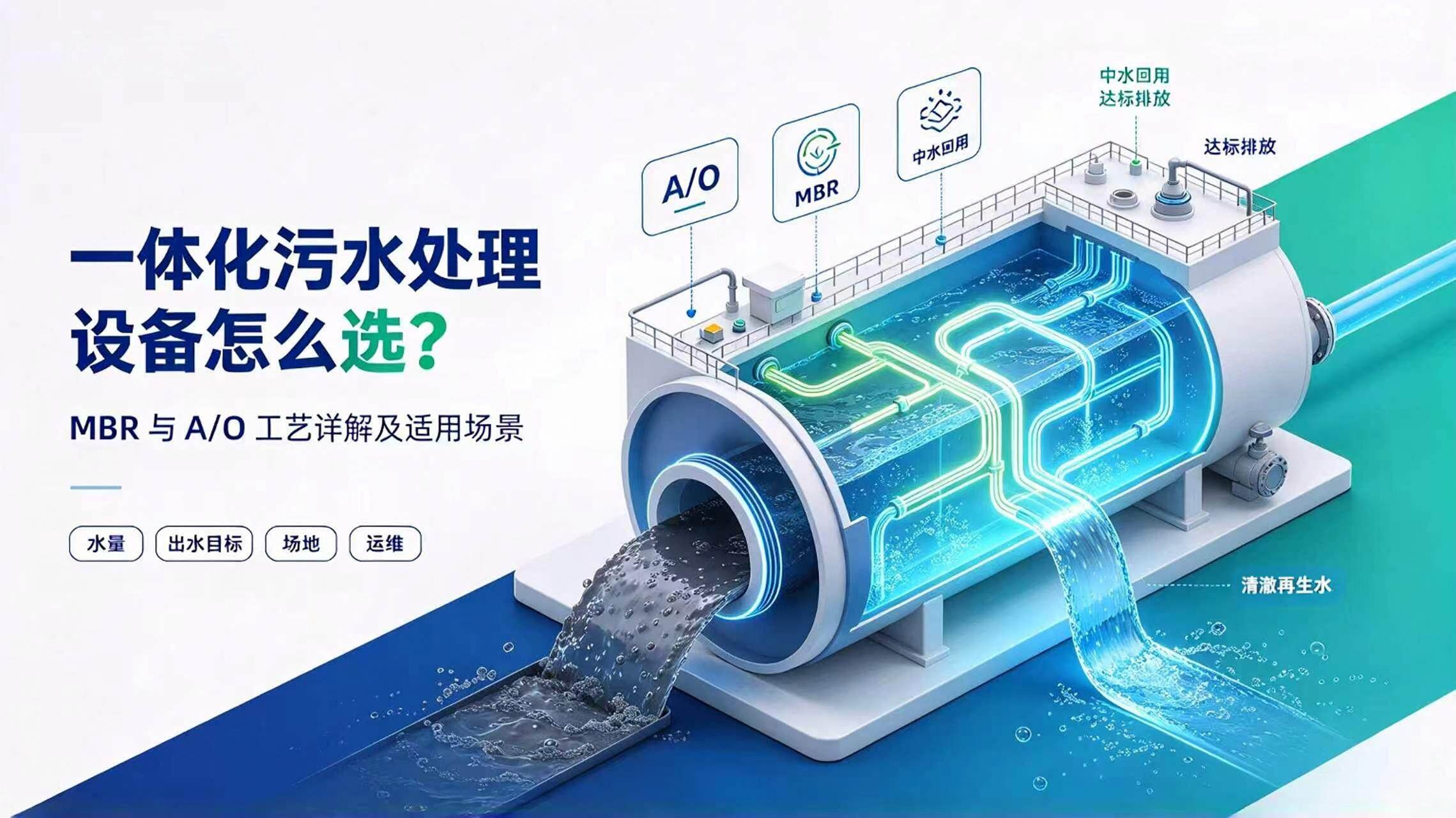
How to select wastewater treatment equipment for rural areas, hotels, hospitals, and industrial parks? This article compares the MBR membrane bioreactor and A/O processes in terms of principles, effluent standards, footprint, and O&M costs. It offers selection recommendations and FAQs to help achieve compliance and enable water reuse.
How to Choose Integrated Wastewater Treatment Equipment: A Detailed Comparison of MBR and A/O Processes with Application Scenarios
Introduction
With stricter environmental regulations and the implementation of green development principles, meeting discharge standards has shifted from a "bonus" to a "must" for rural settlements, chain hotels, private hospitals, and industrial parks alike. Yet, when facility managers first encounter wastewater treatment equipment, they often find themselves confused by technical abbreviations like A/O, MBR, and MBBR. What exactly are these? How do you choose the right one? This article focuses on the two most widely used processes—A/O and MBR—to provide a clear, straightforward comparison that helps you make the right decision.
Policy and Needs Context: Why This Must Be Prioritized Now
In recent years, urban and rural water environment governance has intensified. The Level A standard of the "Discharge Standards for Pollutants from Sewage Treatment Plants" (GB 18918-2002) is increasingly becoming a mandatory requirement across many regions. Meanwhile, water scarcity has transformed "reclaimed water reuse" from a voluntary initiative into a concrete cost-saving measure. For small-to-medium flow rates and decentralized scenarios, integrated equipment is emerging as the mainstream choice due to its compact footprint, rapid installation, and simple operations and maintenance.
1. What is integrated sewage treatment equipment?
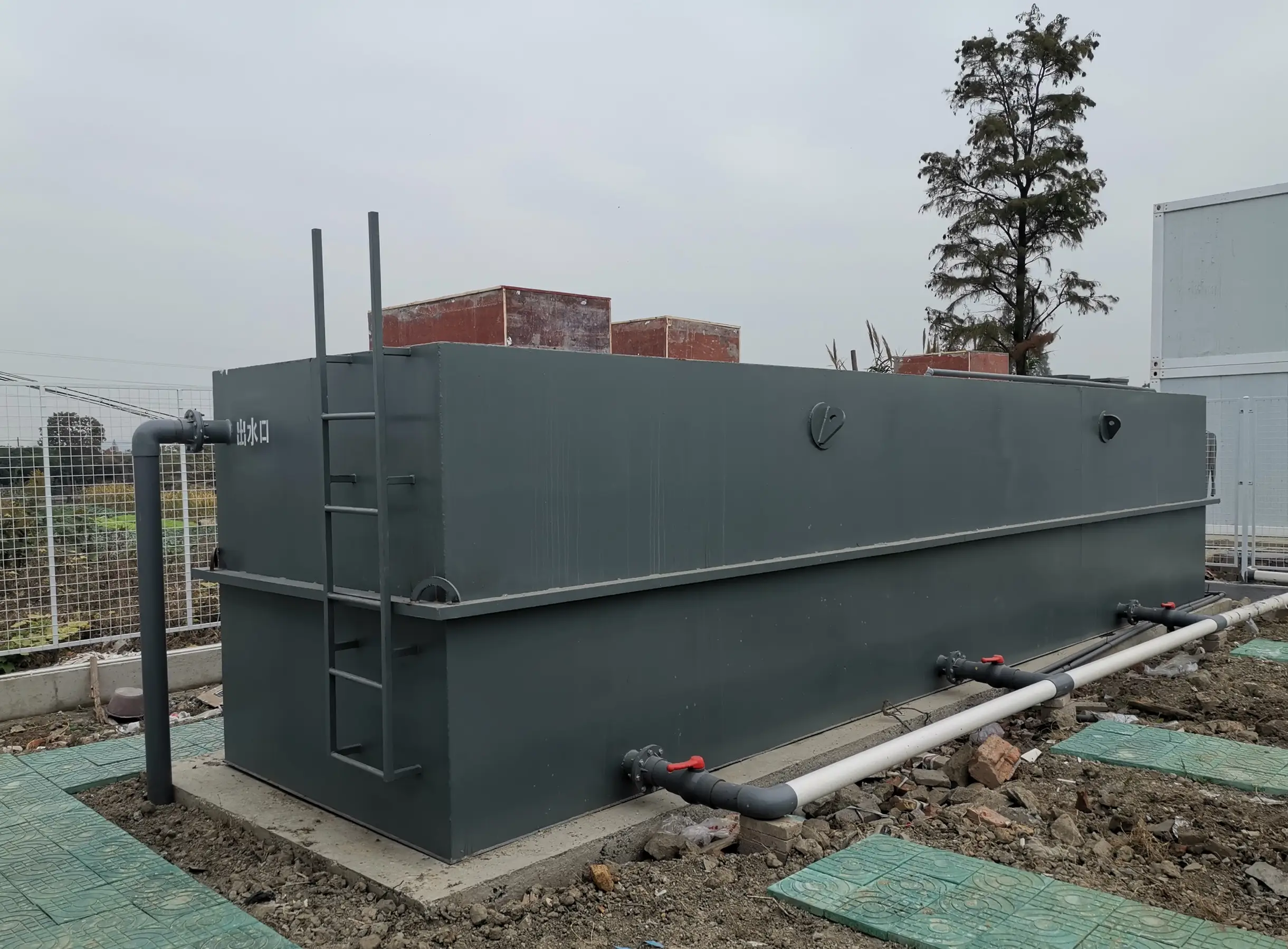
Traditional wastewater treatment plants require large land areas and high investment, making them unsuitable for decentralized or small-to-medium volume scenarios. Integrated wastewater treatment equipment consolidates processes such as screening, equalization, biological treatment, sedimentation, and disinfection into one or more steel or fiberglass tanks. With advantages including compact footprint, rapid installation, and simple operations, it is ideal for small to medium projects handling daily flows from a few tons to hundreds of tons.
Buyuan Water Industry's wastewater treatment solution uses MBR/AO processes with intelligent monitoring to reduce energy and resource consumption. It supports water recycling, helping customers meet discharge standards while lowering operating costs.
2. A/O Process: The Classic Solution for Nitrogen and Phosphorus Removal
A/O stands for Anaerobic-Oxic. By alternating dissolved oxygen levels, it enables microorganisms to release and absorb phosphorus as well as nitrify and denitrify, thereby removing nitrogen, phosphorus, and other pollutants from water.
Ideal forFor water quality that is relatively simple and requires effluent meeting Level B or Level A standards for routine projects, such as domestic sewage treatment and general catering wastewater.
BenefitsMature technology, low investment and operating costs, and strong shock resistance.
Important notesTo meet higher discharge standards or enable water reuse, additional advanced treatment units are typically required.
3. MBR Process: Replaces the secondary clarifier with membranes for superior effluent quality.
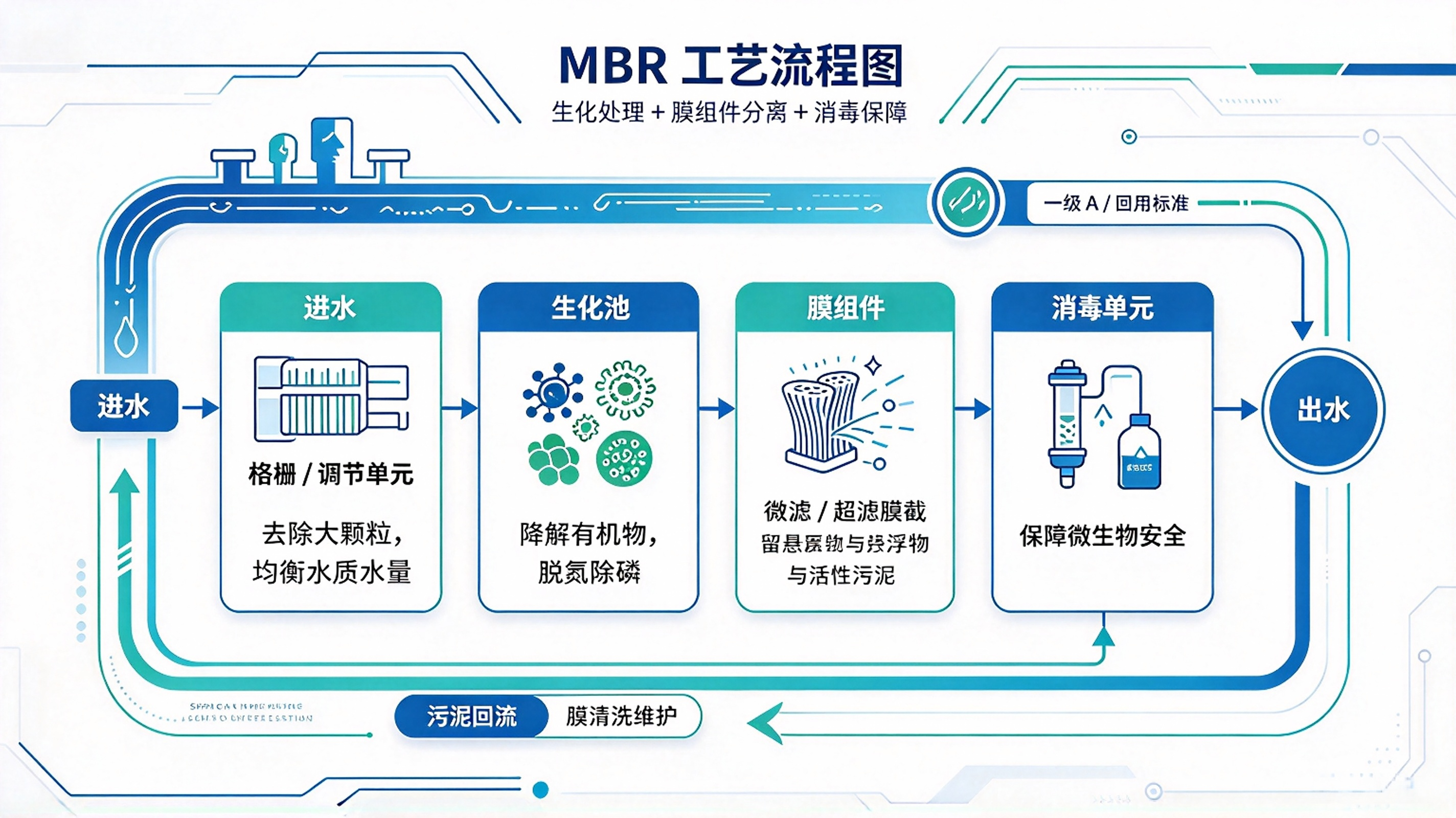
MBR (Membrane Bioreactor) integrates biological treatment with membrane separation, using microfiltration or ultrafiltration membranes to replace traditional secondary clarifiers and directly retain activated sludge and suspended solids.
Ideal forFor projects with high effluent quality requirements or water reuse needs (e.g., landscape replenishment, irrigation, toilet flushing), such as hospitals, hotels, upscale residential communities, and industrial parks.
Benefits:
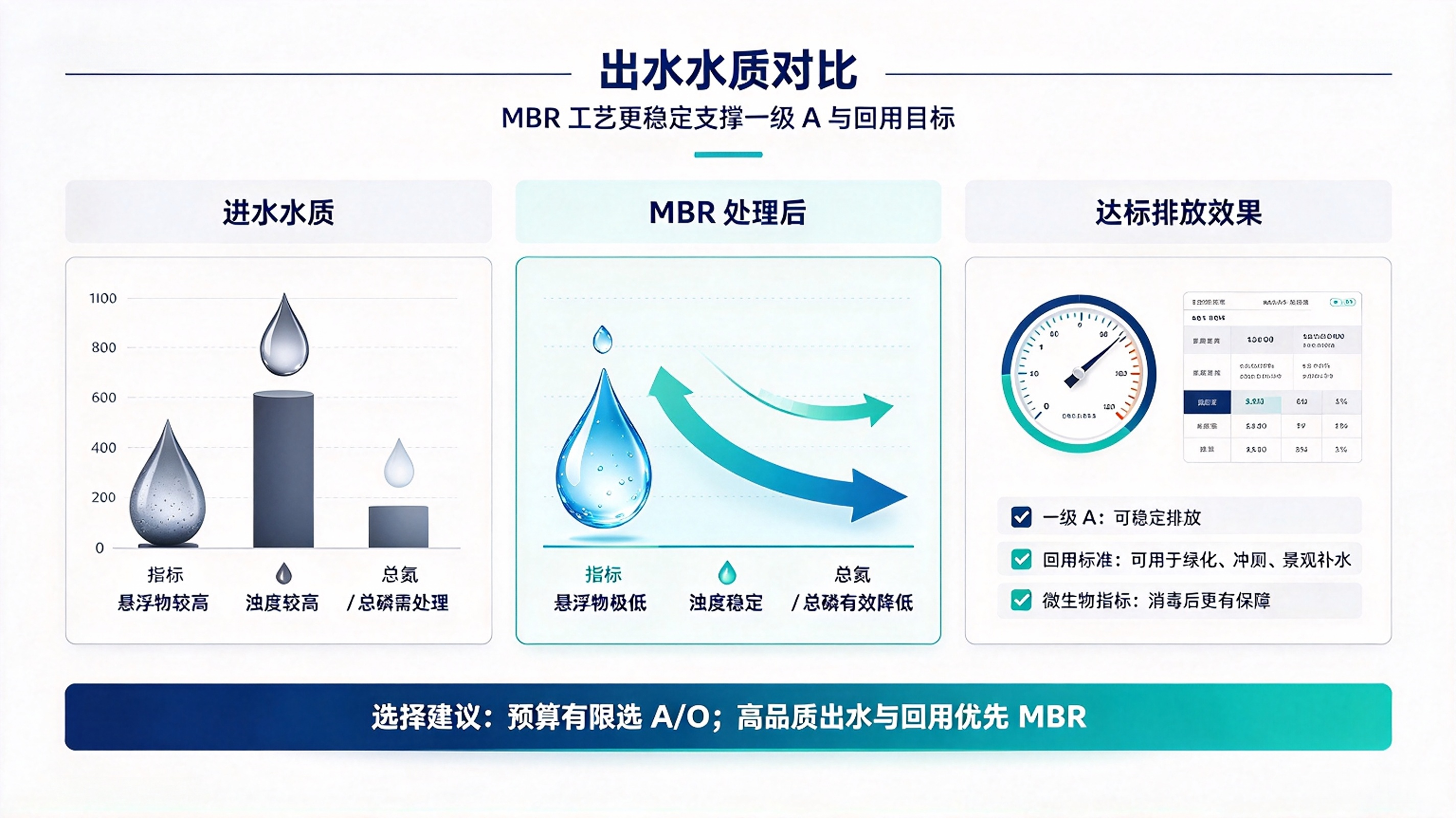
Extremely low effluent suspended solids and turbidity ensure stable water quality, easily meeting Class A standards or reuse requirements.
Higher sludge concentration, smaller footprint;
High automation for easier operations.
Important notesMembrane modules have a replacement cycle. Initial investment and power consumption are slightly higher, so daily maintenance is essential.
4. MBR vs A/O: Choose the Right One at a Glance
Comparison Criteria | A/O process | MBR Process |
Effluent water quality | Level B / Level A | Class A / Reuse Standard |
Floor Area | Medium | Smaller |
Initial Investment | Low | High |
Operations Cost | Low | Filter replacement + slightly high power consumption |
Target Audience | Compliant discharge | Compliance with discharge standards + reclaimed water reuse |
Typical Scenarios | Rural and general domestic sewage | Hospital, Hotel, and Industrial Park Reuse |
In short: A/O is cost-effective for limited budgets and compliance goals; MBR is better suited for water reuse, high-quality effluent, and tight land constraints.
5. Economic and Environmental Value of Reclaimed Water
Choose the right process. Wastewater treatment goes beyond mere compliance. For instance, MBR effluent, once disinfected, can be reliably used for landscape irrigation, road washing, water feature replenishment, and toilet flushing—significantly cutting fresh water costs. It also reduces discharge volumes, aligning with "Water-Saving Unit" initiatives and environmental standards. For high-water consumers like hotels, hospitals, and industrial parks, the savings from reuse often offset equipment upgrades within a few years.
Before selecting, ask yourself 4 questions
How much water?Calculate average and peak drainage volumes to determine equipment capacity.
Where does the water go?Discharge only, or reuse? This directly determines the process.
How big is the venue?Prioritize MBR due to land constraints.
Who manages operations?Choose a vendor with remote monitoring and local support for hassle-free service later.
VII. Frequently Asked Questions (FAQ)
Q: Will the device produce odors or noise?Integrated equipment typically uses sealed tanks, minimizing environmental impact through proper ventilation and odor control. Noise levels remain manageable when site selection and piping design are optimized.
Q: Will low winter temperatures affect performance?Low temperatures reduce microbial activity; professional solutions use insulation or adjust operating parameters to address this.
Q: Is operations management difficult?Baiyuan delivers seven-star service with regular inspections and proactive maintenance, embedding service commitments into contracts to reduce your management burden.
Conclusion: Meeting emission standards is half the battle won with the right process.
Wastewater treatment isn't about "the more expensive, the better"—it's about what fits best. Understanding the differences between A/O and MBR systems, and aligning them with your specific flow rates, discharge requirements, and site conditions, is key to avoiding unnecessary investment costs. Baiyuan Water Industry offers comprehensive wastewater solutions—from site surveys and process design to equipment manufacturing and O&M—serving over 500+ clients across factories, hospitals, government agencies, and enterprises.
For a free on-site survey and design proposal, please contact us:
Official Website:www.beryon.cn
Contact Number:400-101-8993
Seven-Star Service Commitment: 30 min response · 4 hr on-site · 8 hr repair · free backup device if overdue
Recommended Related Cases
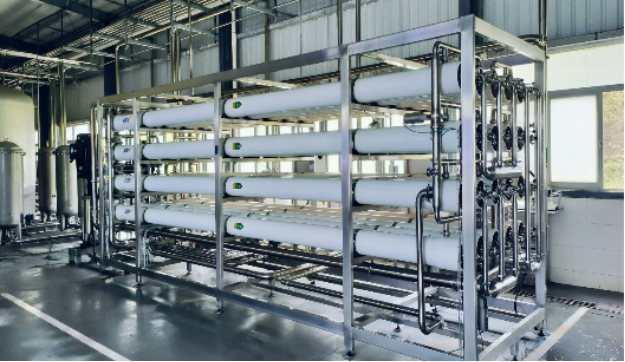
Robust Guangzhou Production Base Dual-Stage Reverse Osmosis Pure Water System Project Case | Baiyuan Water Industry
Robust Group utilizes Baiyuan Water Industry's dual-stage reverse osmosis pure water system. The produced water meets GB 19298-2014 packaging drinking water standards, with a bottled water production capacity of 2400 buckets per hour. Multi-stage pretreatment + dual-stage RO + terminal sterilization combination...
View Details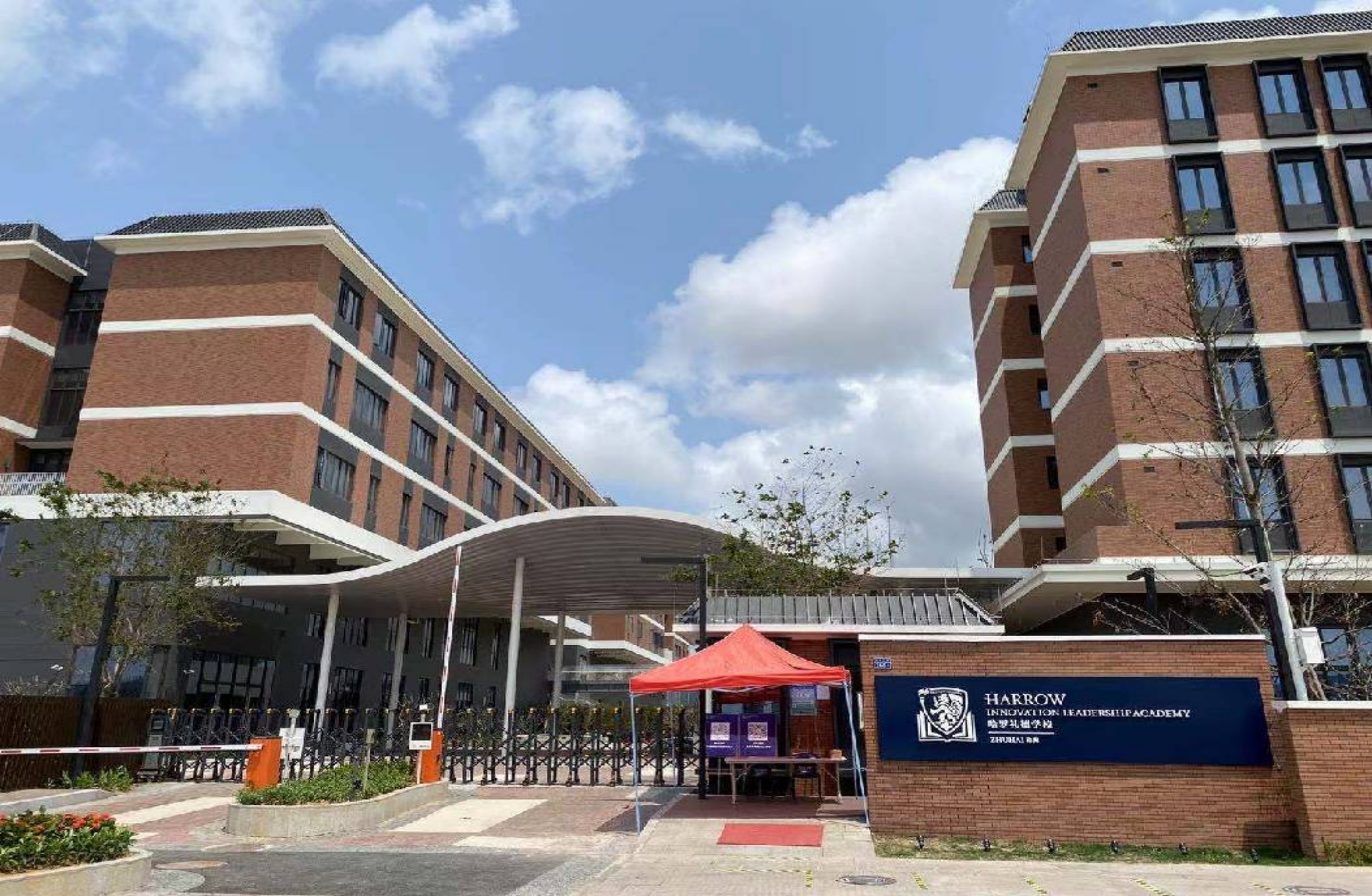
Zhuheng Hengqin Harrow Li De School Direct Drinking Water System Project Case | Baiyuan Water Industry
Baiyuan Water Industry provides a safe and healthy campus drinking water system for Zhuhai Hengqin Harrow School, covering primary, middle, and high school teaching buildings as well as dormitory areas. The system features a combination of 3M commercial drinking water purifiers and Shijifengyuan energy-saving drinking fountains, equipped with over...
View Details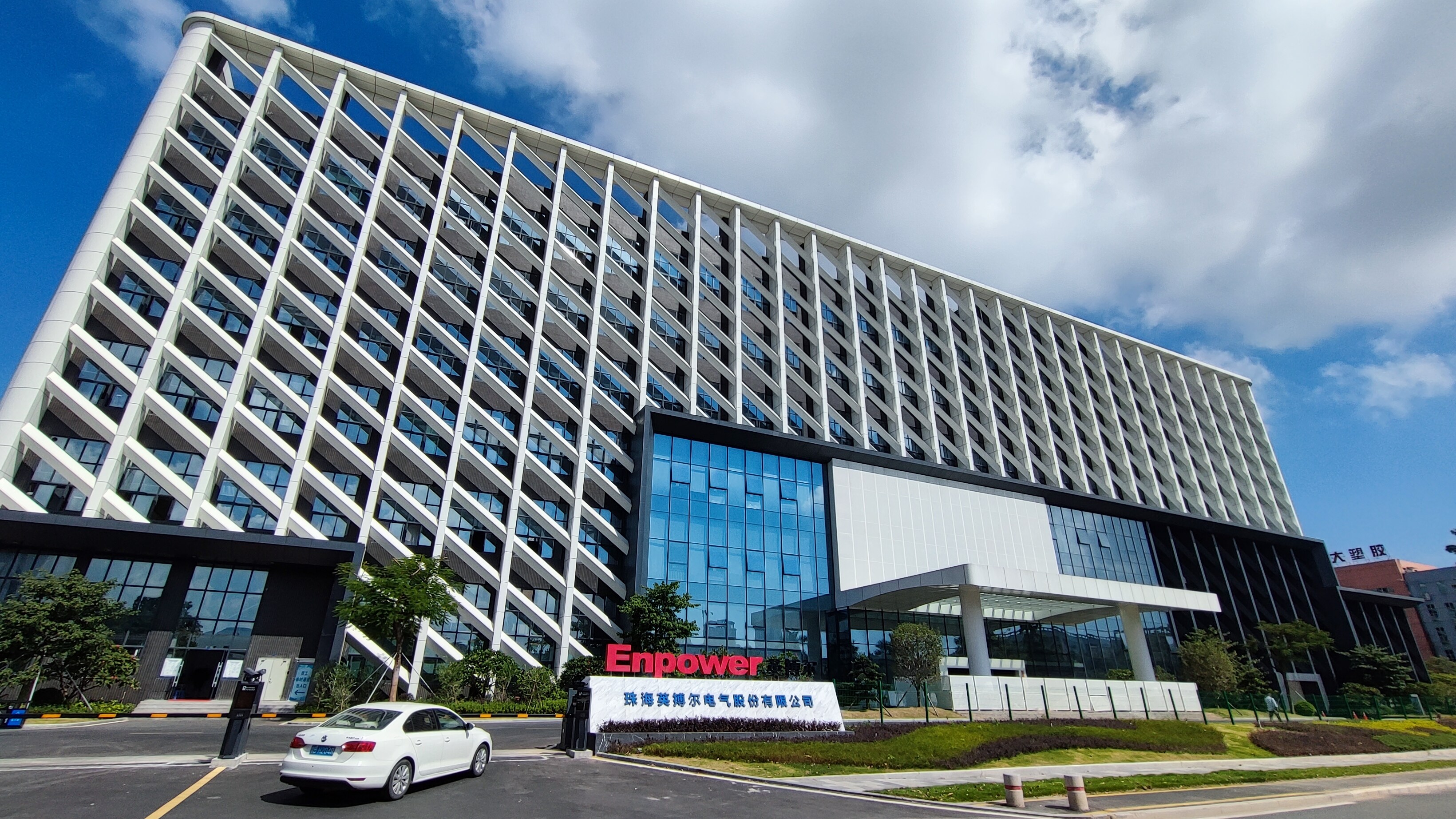
Zhuhie Inbott Electric Co., Ltd.
Secondary RO + EDI + Nuclear-Grade Resin Ultrapure Water System; produces ultrapure water for new energy equipment manufacturing (resistivity > 18.2 MΩ) and direct drinking water in the workshop.
View Details